Ninja Gaiden Black with Xenia Emulator; Calling all Ryu Hayabusa fans! Ever wanted to revisit the brutal brilliance of Ninja Gaiden Black on your PC? The Xenia emulator offers a path to relive this action masterpiece. While still under development, Xenia can run NG2, offering a chance to experience this classic title with some potential benefits alongside the emulation quirks.
This guide will delve into the world of playing Ninja Gaiden Black with Xeniacanary, exploring what to expect, potential issues, and how to get started on your dragon-sword-wielding adventure.
Ninja Gaiden Black with Xenia Emulator – A Deeper Dive
While the Xenia emulator allows you to run NG2 (presumably Ninja Gaiden II), it’s essential to understand the current state of playability. Here’s a breakdown of what to expect:
What Works:
Booting and Gameplay: You can launch NG2 and experience some level of gameplay. This is evident from videos showcasing successful emulation [YouTube video of NG2 on Xenia emulator].
Basic Functionality: Core mechanics like movement, combat, and level progression might be functional to an extent.
NG Black on Xenia Emulator: Potential Issues Explained
While Ninja Gaiden Black with Xenia Emulator (likely Ninja Gaiden II), there are some potential issues that can hinder your experience. Here’s a closer look at what you might encounter:
Bugs and Crashes:
Xenia is an emulator under development, and emulating complex games like NG2 perfectly is challenging. The game code might not translate flawlessly to the emulator, resulting in unexpected behavior.
This can manifest as crashes during gameplay, especially at demanding moments or during specific actions. You might encounter sudden freezes or complete crashes to the desktop.
Bugs can also affect gameplay, such as enemies behaving erratically, items malfunctioning, or objectives glitching out. This includes bugs with MCLA on Xenia Canary, making progress difficult.
Sound Issues:
Audio stuttering, crackling, or complete sound loss are all possibilities with Xenia emulation. This can significantly impact the atmosphere and immersion of the game.
In some cases, sound effects might be missing entirely, leaving you with only background music or silence.
The severity of sound issues can vary depending on your system configuration and the specific game version you’re trying to emulate troubleshooting Xenia Canary.
Compatibility Issues:
Xenia’s emulation accuracy is constantly improving, but it’s not perfect. NG2 might not run flawlessly on the emulator due to compatibility problems.
This can lead to graphical glitches, visual artifacts, or textures not loading properly. In severe cases, entire sections of the game might not render correctly, making them unplayable.
Compatibility issues can also affect performance. The game might run slower than intended, with frame rate drops and stuttering.
Overall Impact:
These potential issues can significantly affect your enjoyment of NG2 on Xenia. While the game might be playable to some extent, the experience might be frustrating due to crashes, glitches, and performance problems.
Playing NG2 via Xbox One X Backwards Compatibility – A Smoother Path:
If you’re looking for a more reliable way to experience NG2 (presumably Ninja Gaiden II), consider playing it through backward compatibility on Xbox One X. Here’s why this might be the better option:
Advantages of Backwards Compatibility:
Optimized Experience: Microsoft has specifically ensured compatibility for NG2 on Xbox One X. This translates to a smoother and more stable gameplay experience compared to emulation on Xenia.
Reduced Bugs and Crashes: Backwards compatibility minimizes the risk of encountering unexpected crashes or glitches that can plague emulation.
Improved Performance: You’re likely to experience better performance on Xbox One X hardware compared to emulation, especially if your PC doesn’t meet the recommended specs for Xenia.
Full Audio: Backwards compatibility ensures your game will have complete and functional audio, enhancing the atmosphere and immersion compared to potential sound issues with Xenia.
Visual Fidelity: The game will run at its intended resolution and with proper textures, unlike potential graphical glitches or rendering problems that might occur with emulation. Ninja Gaiden Black with Xenia Emulator.
How Backwards Compatibility Works:
Xbox One X utilizes a software layer that enables it to run Xbox 360 games, originally designed for the Xbox 360, ensuring backward compatibility.
This process is generally more streamlined and reliable compared to emulation, as Microsoft has direct access to the original game code and hardware specifics Ninja Gaiden Black with Xenia Emulator.
Things to Consider:
Xbox One X Ownership: This approach obviously requires you to own an Xbox One X console.
Digital or Physical Copy: You can either purchase a digital copy of NG2 through the Xbox Store or use a physical Xbox 360 disc if you have one. The Xbox One X will recognize the disc and download the necessary compatibility files.
Subscription Services: Some subscription services like Xbox Game Pass might offer NG2 as part of their library, eliminating the need for a separate purchase Ninja Gaiden Black with Xenia Emulator.
Conclusion:
Consider using backward compatibility on Xbox One X for a reliable and potentially smoother experience playing Ninja Gaiden Black with Xenia Emulator.
While emulation on Xenia offers an alternative for PC users, the potential for bugs, crashes, and performance issues can make it a gamble. If you have the option of opting for backward compatibility ensures a more polished and enjoyable playthrough of NG2.
FAQs
Can I play Ninja Gaiden Black with Xenia Emulator?
Yes, to some extent! Xenia emulator is capable of running Ninja Gaiden Black with Xenia Emulator (often referred to as NG2). However, it’s important to remember that Xenia is still under development.
Is Ninja Gaiden Black with Xenia Emulator fully playable on Xenia?
There may be glitches or compatibility issues. While videos exist showcasing gameplay [reference to removed YouTube video], you might encounter bugs or crashes.
What are the benefits of playing NG2 with Xenia?
PC Experience: Play NG2 on your computer, potentially with improved visuals or controller options.
Preservation: Emulation allows for the continued enjoyment of classic titles.
What are the drawbacks of using Xenia for NG2?
Emulation Quirks: You might encounter bugs, crashes, or performance issues.
Development Stage: Xenia is still under development, so improvements and fixes are ongoing.
Are there alternatives to playing NG2?
Yes, Ninja Gaiden Black with Xenia Emulator was initially released for the Xbox. Alternatively, you can look for official ports or remakes on other platforms.
Where can I find more information about Xenia and NG2 emulation?
Online resources like forums and communities dedicated to emulation can offer guides, troubleshooting tips, and discussions about Xenia’s compatibility with NG2 Ninja Gaiden Black with Xenia Emulator.
Dive into the immersive world of emulation, where gaming nostalgia meets modern technology. Xenia Canary, the Xbox 360 emulator, opens doors to a treasure trove of classic games, including “Dragon Ball: Raging Blast 2.”
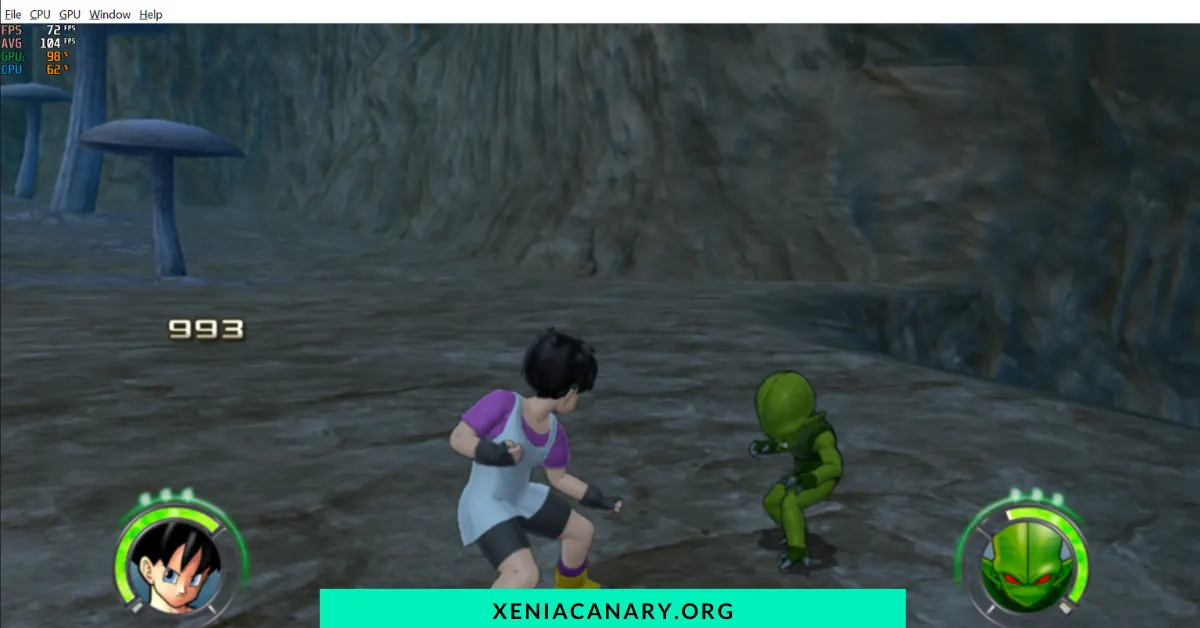
However, amidst the excitement of reliving iconic battles and exploring vibrant worlds, some users encounter a peculiar issue: Xenia Canary Raging Blast 2Water Flickering.
In this guide, I have covered some potential Causes and their solutions. Please read the full article and understand all the steps. I hope this guide will help you solve your problem.
So, let’s dive in.
Xenia Canary Raging Blast 2 Water Flickering Issue
Description:
Visual Anomaly: The water flickering issue in “Dragon Ball: Raging Blast 2” manifests as rapid, repetitive changes in the appearance of water surfaces within the game environment.
Flickering Patterns: The flickering may appear as rapid alternations between different textures or transparency levels, causing the water surface to appear distorted or unstable.
Impact on Immersion: The flickering disrupts the visual continuity of water surfaces, detracting from the immersive experience of the game and potentially causing distraction or discomfort for players.
Consistency Across Environments: The water flickering issue is typically observed across various in-game environments featuring water bodies, such as oceans, rivers, lakes, or waterfalls.
Occurrence of Raging Blast 2 Water Flickering
During Gameplay, The water flickering issue occurs while playing “Dragon Ball: Raging Blast 2” within the Xenia Canary emulator. Players may encounter the flickering intermittently or consistently during gameplay, depending on factors such as emulation settings, system hardware, and specific in-game scenarios.
Affected Environments: The issue primarily affects environments within the game that feature water bodies, such as the “Planet Namek” stage or the “Islands” arena. Water surfaces within these environments exhibit the flickering anomaly, detracting from the visual fidelity of the game.
Frequency of Occurrence: The frequency of the water flickering issue may vary among users, with some experiencing it more frequently than others. Factors such as emulation performance, graphical settings, and system specifications can influence the occurrence and severity of the issue.
Persistent Challenge: Despite efforts to optimize emulation settings or modify graphical configurations, the water flickering issue may persist for some users. This consistency across different environments and gameplay scenarios suggests a systemic issue within the emulation of “Raging Blast 2” on Xenia Canary.
Xenia Canary Raging Blast 2 Water Flickering Potential Causes:
Emulation Accuracy:
One of the primary challenges in emulating games like “Dragon Ball: Raging Blast 2” on Xenia Canary is achieving accuracy in graphics rendering. The Xbox 360’s graphics processing unit (GPU) employs a specific architecture and rendering pipeline, which may differ significantly from modern PC GPUs.
Emulating the rendering techniques used by the Xbox 360 GPU accurately requires reverse engineering and translating DirectX 9 instructions to work with DirectX 12, the graphics API used by Xenia Canary. However, due to the complexity of the graphics rendering pipeline, there may be discrepancies or limitations in the emulation process that result in visual anomalies like water flickering.
Shader Emulation: Shaders play a crucial role in modern graphics rendering, enabling the implementation of advanced effects such as dynamic lighting, shadows, and reflections. “Raging Blast 2” likely utilizes complex shaders to achieve realistic water effects, including reflection, refraction, and surface distortion. Emulating these shaders accurately within XeniaCanary is challenging and may lead to inconsistencies or errors that manifest as flickering or distortion on water surfaces.
Texture Mapping:
Texture mapping is another fundamental aspect of graphics rendering used to apply textures to 3D surfaces. Water surfaces in “Raging Blast 2” rely on texture mapping to create the appearance of flowing water, ripples, and reflections. Issues with texture mapping or texture filtering within Xenia Canary may result in flickering or distortion on water surfaces, particularly when rendering complex patterns or animations Ninja Gaiden Black with Xenia Emulator.
Framebuffer Effects:
Framebuffer effects, such as post-processing techniques or screen-space effects, are often used to enhance the visual quality of games by applying effects to the final rendered image. “Raging Blast 2” may utilize framebuffer effects to achieve certain visual enhancements on water surfaces, such as depth-of-field or motion blur. Emulating these effects accurately within Xenia Canary requires precise handling of framebuffer operations, and discrepancies in emulation may lead to graphical anomalies like flickering.
Raging Blast 2 Compatibility Issues:
Game-Specific Code: Each game on the Xbox 360 is optimized to run on the console’s specific hardware architecture, utilizing proprietary code and optimizations tailored for the Xbox 360 GPU and CPU. Emulating this game-specific code accurately within Xenia Canary is challenging, as the emulator must translate Xbox 360-specific instructions and optimizations to run on PC hardware. Incompatibilities or discrepancies between the original game code and the emulator’s execution environment can lead to compatibility issues, including graphical anomalies like water flickering.
System Software Dependencies: Games on the Xbox 360 often rely on specific system software or drivers provided by the console to interface with hardware components effectively.
Emulating these dependencies within Xenia Canary requires careful emulation of system-level functionality, including graphics, audio, input, and memory management. Incompatibilities or differences between the Xbox 360’s system software and Xenia Canary’s emulation environment can result in compatibility issues, including graphical anomalies like water flickering.
Impact on Gameplay
Visual Disturbance:
Disruption of Immersion: The water flickering issue in “Dragon Ball: Raging Blast 2” on Xenia Canary creates a significant visual disturbance, detracting from the immersive experience of the game. Water bodies are a common element in many game environments, serving as integral components of landscapes, battlegrounds, and interactive elements. When water surfaces flicker or exhibit graphical anomalies, it disrupts the player’s immersion in the game world, detracting from the overall visual fidelity and realism.
Distracting Visual Artifacts: The flickering of water surfaces creates distracting visual artifacts that draw the player’s attention away from the intended focus of the game. Instead of being fully engaged in the gameplay and narrative, players may find themselves preoccupied with the visual inconsistencies, leading to a less enjoyable and immersive experience overall.
Impact on Aesthetic Appeal: “Raging Blast 2” features dynamic and visually stunning environments, including vibrant water effects that contribute to the game’s aesthetic appeal. The presence of water flickering diminishes the aesthetic quality of the game, as the intended beauty and realism of water surfaces are compromised by graphical anomalies. This can detract from the overall visual presentation and diminish the enjoyment of exploring and interacting with the game’s environments.
Gameplay Experience:
Navigational Challenges:
In games where water surfaces are integral to gameplay, such as “Raging Blast 2,” water flickering can pose navigational challenges for players. Flickering or distorted water surfaces may make it difficult for players to accurately judge their surroundings, leading to misjudgments in movement, positioning, or targeting during gameplay. This can result in frustration and hinder the player’s ability to progress through the game effectively.
Combat Disruption:
Raging Blast 2″ features fast-paced combat mechanics that rely on precise timing, positioning, and reaction speeds. The presence of water flickering during combat sequences can disrupt player focus and concentration, impacting their ability to execute combos, evade attacks, or strategize effectively. This can lead to suboptimal performance in battles and detract from the overall enjoyment of the game’s combat system.
Negative Impact on Overall Enjoyment: Ultimately, the water flickering issue in Raging Blast 2 on Xenia Canary can negatively impact the overall enjoyment of the game. Players may find themselves distracted, frustrated, or disengaged from the gameplay experience due to the visual disturbances and gameplay disruptions caused by the flickering water surfaces. This can diminish the replay value of the game and reduce player satisfaction with their gaming experience.
Conclusion
In conclusion, the”Xenia Canary Raging Blast 2 Water Flickering presents significant challenges that impact both the visual experience and gameplay enjoyment. The presence of visual disturbances, such as flickering water surfaces, disrupts player immersion and detracts from the aesthetic appeal of the game’s dynamic environments.
Gameplay experiences are compromised as navigational challenges and combat disruptions arise from the flickering water, hindering player performance and overall enjoyment.
FAQs
What causes water flickering in “Dragon Ball: Raging Blast 2” on Xenia Canary?
Water flickering in “Raging Blast 2” on Xenia Canary can result from emulation inaccuracies in graphics rendering, shader emulation, texture mapping, or framebuffer effects. These issues may arise due to the complexity of emulating Xbox 360 graphics on PC hardware.
Is water flickering a common problem in Xenia Canary emulation?
Water flickering may occur in various Xbox 360 games emulated on Xenia Canary, depending on factors such as the game’s graphical complexity and the accuracy of the emulator. While not universal, water flickering is a known issue in “Raging Blast 2” and other games with dynamic water surfaces.
Can water flickering be fixed by adjusting emulator settings?
While tweaking emulator settings or graphics configurations may alleviate water flickering to some extent, there is no guaranteed fix. Users may experiment with different settings, such as resolution, texture filtering, or shader options, but results may vary depending on individual hardware and emulation environment.
Are developers working on resolving the water flickering issue in Xenia Canary?
Developers and the emulation community continuously strive to improve Xenia Canary’s accuracy and compatibility. Efforts to address graphical anomalies, including water flickering in games like “Raging Blast 2,” are ongoing. Users can contribute by reporting issues and providing feedback to help prioritize development efforts.
Does water flickering affect gameplay, or is it purely a visual issue?
While primarily a visual disturbance, water flickering can impact gameplay by detracting from immersion and aesthetic appeal. In games like “Raging Blast 2,” where water surfaces are prominent features, flickering may cause distractions and hinder navigation or combat, affecting the overall gameplay experience.
Introducing the enigmatic Xenia Canary Crashed world of emulation, where the past converges with the present, and gaming history is brought to life on modern hardware. Amidst this journey, Xenia Canary stands as a beacon of emulation excellence, promising to resurrect the cherished experiences of consoles gone by.
However, what happens when this beacon falters when the digital realm encounters turbulence? Let’s find out the complexities of emulation, explore the nuances of Xenia Canary’s functionality, and navigate the unexpected challenges that arise when Xenia Canary Crashed.
How to Read Xenia Crash Logs
If Xenia keeps crashing and you’re stuck, your best detective tool is the Xenia log file. These logs document the emulator’s internal processes and can reveal what happened right before a crash.
Where to Find Xenia Logs
Open the Xenia folder and look for xenia.log.
Open the log file with a text editor.
Scroll to the bottom — the last 20–30 lines usually contain the crash context.
What to Look For
Any mention of “unhandled exception” or “device lost”
References to specific .dll files, .xex files, or instruction errors
Crash stack traces that include GPU or memory operations
These insights are incredibly helpful when submitting bug reports or searching GitHub issues for similar problems.
Common Xenia Canary Error Messages
Before diving deep into fixes, it’s helpful to understand the exact messages Xenia Canary throws when something goes wrong. These errors are often a goldmine for pinpointing what’s broken and where to begin troubleshooting.
“The Guest Has Crashed. Xenia Has Now Paused Itself”
This is the most common Xenia crash. It usually appears when the emulator encounters an issue running a game, often tied to missing CPU instructions or compatibility mismatches.
“Graphics Device Lost” or “Device Removed”
This crash typically indicates a problem with your GPU driver or how Xenia is communicating with your graphics hardware.
“Unhandled Exception” or Crash Dump Logs
These are lower-level errors. They usually occur due to hardware incompatibility, unhandled emulation bugs, or corrupted emulator files.
If you recognize one of these messages, jot it down. You’ll need it when reviewing logs or posting in community forums.
Xenia Canary Crashed – Not Working Scenario
Here in this section i try to explained every possible reason why xenia canary crashed. Well lets explore the reasons.
Symptoms of Emulator Crash
Sudden Shutdown: Xenia Canary abruptly terminates without warning, returning users to their desktops or displaying an error message.
Freezing or Hanging: The emulator becomes unresponsive, with the interface freezing and input commands failing to register.
Graphical Glitches: Visual anomalies such as flickering textures, distorted graphics, or rendering artifacts appear during emulation.
Audio Issues: Sound effects may stutter, loop, or become distorted, disrupting the immersive experience.
Performance Degradation: Emulation performance suffers, resulting in slowdowns, frame rate drops, or choppy gameplay.
Error Messages: Users may encounter error messages indicating issues with system resources, file loading, or compatibility with Xenia Canary Raging Blast 2.
Possible Causes:
Software Compatibility Issues: Incompatibility between Xenia Canary Crashed and specific games or software, including the Xbox 360 NXE Dashboard, can lead to crashes. This may stem from unimplemented features, incorrect emulation of certain functions, or reliance on system-specific behaviors.
System Resource Constraints: Insufficient system resources such as CPU, GPU, RAM, or storage space can cause Xenia Canary to crash or malfunction. Emulation requires significant computational power, and running demanding games or software may exceed the capabilities of the user’s hardware.
Emulator Bugs or Glitches: Xenia Canary Crashed, like all software, may contain bugs, glitches, or unresolved issues that can lead to crashes. These bugs may arise from errors in the emulation code, incorrect handling of edge cases, or unforeseen interactions between different components of the emulator.
Driver or System Software Conflicts: Conflicts between device drivers, system software, or third-party applications running concurrently with the Xbox 360 emulator, such as Xenia Canary Crashed, can destabilize the emulator and cause crashes. This may include conflicts related to graphics drivers, system updates, antivirus software, or background processes.
Corrupted or Missing Files: Corrupted or missing files within the Xbox 360 NXE Dashboard or Xenia Canary itself can lead to crashes during emulation. This may occur due to file corruption, incomplete downloads, or improper installation of the emulator or dashboard files.
Overclocking or Hardware Instability: Overclocking hardware components such as the CPU, GPU, or RAM can introduce instability and cause crashes during emulation. Additionally, hardware defects or overheating issues may manifest as crashes when running demanding software like XeniaCanary.
Network Connectivity Issues: Xenia Canary Crashed may attempt to connect to online services or repositories for updates, verification, or other functions. Network connectivity issues such as unstable connections, firewalls, or server downtime can disrupt these operations and potentially lead to crashes.
Xenia Canary Crashed – Not Working Troubleshooting Steps
Here are some troubleshooting steps. I hope these steps help you.
Adjust Emulator Settings:
Experiment with different settings and configurations within Xenia Canary to optimize performance and stability. This may include adjusting graphics settings, emulator options, or controller configurations to mitigate potential issues.
Reinstall Xenia Canary:
If Xenia Canary Crashed continues to crash despite troubleshooting efforts, consider reinstalling the emulator from scratch. Completely uninstall the existing installation, including all associated files and configurations, before reinstalling the latest version of Xenia Canary.
Update System Software:
Ensure that your operating system, device drivers, and system software are up to date. Check for updates through the appropriate channels, such as Windows Update for the operating system and the manufacturer’s website for device drivers. Keeping software updated can resolve compatibility issues and improve stability.
Scan for Malware:
Perform a thorough scan of your system for malware, viruses, or other malicious software that may be interfering with Xenia Canary Crashed’s operation. Use reputable antivirus software to scan and remove any detected threats.
Check Hardware Temperatures:
Monitor hardware temperatures using tools like HWMonitor or Core Temp to ensure that components are operating within safe temperature ranges. Overheating can cause instability and crashes, especially during prolonged gaming sessions or heavy emulation workloads. Ensure proper cooling and ventilation for your system.
Seek Community Support:
Join forums, communities, or online groups dedicated to emulation and Xenia Canary Crashed. Share your experiences and troubleshoot with other users who may have encountered similar issues. Community members may offer valuable insights, tips, and solutions to resolve crashes and improve emulation stability.
Xenia Canary Freezes on Startup – Fixes
Sometimes, Xenia doesn’t crash mid-game — it crashes before anything even loads. If your emulator freezes on launch or shows a black window, try these practical solutions.
Disable Overlays and Background Apps
Third-party overlays (like Discord, Steam, NVIDIA ShadowPlay) can interfere with Xenia. Disable these temporarily to test if they’re the cause.
Clear Xenia Cache and Temp Files
Sometimes corrupted cache files prevent startup. Delete the following:
Any .cache or .tmp files in your Xenia directory.
Re-download fresh files from the official build source.
Try Running as Administrator
Right-click on xenia.exe → Run as Administrator. This fixes permission-related crashes, especially on restrictive Windows setups.
Graphics Device Lost – How to Fix GPU-Related Crashes
If your crashes are GPU-related, particularly the “Graphics device lost” error, you’re likely dealing with a compatibility issue between Xenia Canary and your graphics driver.
Download the latest stable drivers. Avoid beta drivers unless you’re testing Canary on bleeding-edge setups.
Use Vulkan Over DirectX
Xenia supports both Vulkan and Direct3D. Switch to Vulkan by editing the config file: [graphics] api = “vulkan”
Vulkan tends to be more stable across different hardware setups and provides better performance.
Fix the “mount_cache = true” Crash Issue
One of the lesser-known but powerful fixes for random crashes in Xenia Canary is tweaking a specific emulator setting: mount_cache.
How to Enable the Mount Cache Fix
Navigate to your Xenia Canary config file (usually a .TOML file).
Open it in a text editor like Notepad++.
Locate the setting: mount_cache = false
Change it to: mount_cache = true
Save the file and relaunch the emulator
This change helps Xenia better handle game file mounting, reducing stress on memory and preventing freezes or hard crashes during gameplay, especially when switching levels or loading large assets.
Conclusion
In conclusion, troubleshooting Xenia Canary Crashed problem when running the Xbox 360 NXE Dashboard requires a systematic approach to identify and address the underlying issues. By carefully analyzing symptoms, checking system resources, and testing potential solutions, users can resolve crashes and improve the stability of emulation.
Whether adjusting emulator settings, updating software and drivers, or verifying hardware integrity, proactive troubleshooting can help users overcome challenges and enjoy a smoother emulation experience.
Seeking support from emulation communities and forums provides valuable insights and collaborative problem-solving opportunities. Ultimately, with patience, diligence, and the right tools, users can navigate through crashes and unlock the full potential of Xenia Canary for reliving the nostalgia of the Xbox 360 NXE Dashboard.
Known Compatibility Issues with Specific Games
Not every Xbox 360 game works smoothly with Xenia Canary. Some crash immediately, others glitch out during loading screens or cutscenes.
Games with Known Crashing Issues
Halo Reach – Crashes during intro cinematic on most builds.
Red Dead Redemption – Struggles with memory leaks and long-term stability.
Geometry Wars 3 – Crashes with “graphics device lost” mid-level.
Fable II – Random freezes due to missing emulation features.
What You Can Do
Check the official Xenia GitHub issues page and compatibility tracker. You may find a workaround, or you can help the community by submitting your logs and system specs.
FAQs
Why does Xenia Canary crash when running the Xbox 360 NXE Dashboard?
Xenia Canary may crash due to various reasons, including software compatibility issues, insufficient system resources, hardware instability, or emulator bugs. Identifying the specific cause requires troubleshooting steps such as reviewing error messages, monitoring system resources, and testing potential solutions.
How can I determine the cause of crashes in Xenia Canary?
To identify the cause of crashes, start by reviewing any error messages or patterns associated with the crashes. Monitor system resources during emulation, check for hardware stability issues, and experiment with different settings and configurations within Xenia Canary to isolate the problem.
What should I do if Xenia Canary crashes repeatedly?
If Xenia Canary crashes persistently, consider troubleshooting steps such as adjusting emulator settings, updating system software and drivers, reinstalling Xenia Canary, testing hardware stability, and seeking assistance from emulation communities. Persistence and systematic troubleshooting can often resolve recurring crashes.
How can I optimize Xenia Canary to prevent crashes when running the Xbox 360 NXE Dashboard?
Optimize Xenia Canary by adjusting graphics settings, emulator configurations, and controller mappings to improve performance and stability. Ensure that your system meets the recommended hardware requirements, keep software and drivers updated, and scan for malware regularly to minimize the risk of crashes.
Is it normal for Xenia Canary to crash occasionally?
While occasional crashes may occur in emulation software like Xenia Canary, persistent or frequent crashes may indicate underlying issues that require attention. By troubleshooting crashes and implementing solutions, users can minimize the occurrence of crashes and enjoy a more stable emulation experience.
Where can I find additional support for troubleshooting crashes in Xenia Canary?
Seek support from emulation communities, forums, or online groups dedicated to Xenia Canary and Xbox 360 emulation.
Ninja Gaiden 2, a high-octane action masterpiece, continues to enthrall gamers with its demanding combat and stylish execution. But what if you want to revisit this gem on your PC?
That’s where Xenia, the Xbox 360 emulator, comes in. However, with Xenia being under constant development, choosing the ideal version for optimal Ninja Gaiden 2 performance can be tricky.
This guide will cut through the complexity, helping you pick the best Xenia Version for Ninja Gaiden 2 on your PC.
The Best Xenia Version for Ninja Gaiden 2 – Conquering Compatibility:
Ah, Ninja Gaiden 2! The very thought conjures images of Ryu Hayabusa’s acrobatic brutality. But the path to experiencing this masterpiece on PC through Xenia, the Xbox 360 emulator, can be fraught with version-based challenges. Here’s a breakdown of the problem:
Xenia’s Constant Evolution:
Xenia is an actively developed emulator, meaning new builds are released frequently. While these updates often bring improvements, compatibility with specific games can fluctuate.
Ninja Gaiden 2’s Specific Needs:
Ninja Gaiden 2 has its own quirks within the emulation landscape. While some Xenia versions might boot the game, you might encounter issues like:
Slow Motion Mayhem: The animations in Ninja Gaiden 2 are tied to the framerate. If the emulator struggles, the entire game can become a slow-motion slog, ruining the fast-paced combat.
Configuration Conundrums: Certain Xenia versions might require specific tweaks in the emulator’s configuration files to ensure proper functionality with Ninja Gaiden 2. This can be daunting for new users.
A Specific Xenia Build for Ninja Gaiden 2 Glory – Taming the Dragon:
Don’t fret, Dragon Ninja warriors! There’s a solution to conquer the Xenia version chaos for Ninja Gaiden 2. Here’s the key: targeting a specific Xenia build date based on community reports and testing.
Community Wisdom:
The Xenia developer community is active and helpful. Look for online resources like forums and subreddits dedicated to Xenia emulation. Search for discussions specifically about Ninja Gaiden 2. These discussions often highlight Xenia build dates reported to offer the best performance and compatibility for the game.
The Power of Precision:
Instead of using the latest Canary build (the most unstable but bleeding-edge version of Xenia), target a specific build date mentioned in the community reports. This narrows down the possibilities and increases your chances of finding a stable Xenia version for Ninja Gaiden 2 Xenia Canary Crashed.
Here’s an example: Imagine the community identifies Xenia build dated August 31st, 2021, as offering good performance for Ninja Gaiden 2 with minimal configuration tweaks. You can then search online for archived versions of Xenia or utilize the emulator’s built-in version selection feature (if available) to target that specific build.
Important Caveats:
Not a Guaranteed Fix: While targeting a specific build date is a good strategy, it’s not a guaranteed solution. Different PC configurations can have varying levels of success with specific Xenia builds.
Keeping Up-to-Date: While a specific build might work well today, future Xenia updates might introduce regressions impacting Ninja Gaiden 2. It’s wise to stay updated on the Xenia community discussions to see if a newer build offers better compatibility.
Xenia Build dated August 31st, 2021 – A Potential Champion:
Based on community reports, the Xenia emulator build dated August 31st, 2021 emerges as a promising contender for running Ninja Gaiden 2 on your PC. Here’s why this specific build is worth considering:
Community-Verified Performance: Several users within the Xenia community have reported achieving good performance with Ninja Gaiden 2 using this build. This translates to a smoother gameplay experience without the dreaded slow-motion effect that can plague other versions.
Minimal Configuration Tweaks: Another advantage of the August 31st, 2021 build is the potential for minimal configuration changes. This is particularly beneficial for new users who might find extensive emulator tinkering daunting. While some adjustments might still be required, this build offers a good chance of a “plug-and-play” experience for Ninja Gaiden 2.
How to Find the August 31st, 2021 Build:
There are two main approaches to locating this specific Xenia build:
Archived Builds (if available): Some Xenia development repositories might offer archived versions of past builds. If this option is available, search for the Xenia build dated August 31st, 2021.
Emulator’s Built-in Version Selection (if applicable): Certain Xenia versions might include a built-in feature to choose from a list of past builds. Explore the emulator’s settings to see if this functionality exists. If so, you might be able to select the August 31st, 2021 build directly.
Important Reminders:
Success May Vary: It’s crucial to remember that even with this specific build date, success can vary depending on your individual PC configuration. Some users might encounter issues even with the August 31st build.
Not a Permanent Fix: The emulation landscape is constantly evolving. While the August 31st build might work well today, future Xenia updates could introduce compatibility regressions with Ninja Gaiden 2. Staying updated with the Xenia community discussions is recommended.
Conclusion
Taming Ninja Gaiden 2 with Xenia requires navigating the ever-changing tides of emulator versions. While there’s no guaranteed one-size-fits-all solution, targeting a specific build date based on community wisdom offers a strategic approach. The Xenia build dated August 31st, 2021, holds promise for many users, offering reported good performance and minimal configuration hassles, especially for Ninja Gaiden 2 on Xenia Canary.Remember, some trial and error might still be necessary, and staying updated on the Xenia community discussions is crucial. With a little research and perseverance, you’ll be dominating enemies with Ryu Hayabusa’s blade on your PC in no time!
FAQs
Q: Why is it difficult to find the best Xenia version for Ninja Gaiden 2?
A: Xenia is constantly updated, and compatibility with specific games can fluctuate between versions. Ninja Gaiden 2 also has its own quirks within the emulation landscape, and some Xenia versions might run slow or require specific configuration tweaks.
Q: What’s the solution to finding the best Xenia version for Ninja Gaiden 2?
A: Target a specific Xenia build date based on community reports and testing. Look for online resources like forums dedicated to Xenia emulation and search for discussions about Ninja Gaiden 2 compatibility. The community often highlights builds known to offer good performance.
Q: Is the August 31st, 2021, Xenia build guaranteed to work perfectly?
A: No, while this build is reported to offer good performance with minimal configuration changes for some users, success can vary depending on your individual PC setup.
Q: How can I find the August 31st, 2021 Xenia build?
A: There are two main ways:
Archived Builds (if available): Search Xenia development repositories for archived versions of past builds and look for the August 31st, 2021 build.
Emulator’s Built-in Version Selection (if applicable): Some Xenia versions might have a feature to choose from past builds. Explore the emulator’s settings to see if you can select the August 31st build directly.
Q: What should I do if I encounter problems with the August 31st, 2021 build?
A: There are two things to remember:
Success can vary depending on your PC configuration.
The emulation landscape keeps evolving. Even if the August 31st build works today, future Xenia updates might cause regressions. Stay updated with the Xenia Canary community for insights on newer compatible builds.
Welcome to the Ultimate Xenia Canary Configuration Guide for the Xbox 360 Emulator. If you’re an enthusiast eager to explore the world of Xbox 360 emulation on your PC, you’ve come to the right place. Xenia Canary represents the cutting-edge development branch of the Xenia emulator project. It offers the latest features, optimizations, and bug fixes for users who want to experience Xbox 360 games on their computers.
This comprehensive guide provides step-by-step instructions and expert tips for configuring Xenia Canary effectively, maximizing performance, and compatibility with a wide range of Xbox 360 titles. Whether you’re a seasoned emulator enthusiast or a newcomer to the emulation scene, this guide will walk you through the essential settings and optimizations needed to ensure a smooth and enjoyable gaming experience.
From graphical settings to CPU emulation tweaks and memory allocation adjustments to controller configuration, we’ll cover everything you need to know to harness the full power of Xenia Canary. Emulation can be a complex process, but with this guide as your companion, you’ll have the knowledge and tools to overcome any challenges and unlock the full potential of Xbox 360 Emulator gaming on your PC.
Understanding System Requirements for Xenia Canary
The hardware specifications of your PC play a crucial role in determining the performance and compatibility of Xenia Canary. While specific requirements may vary depending on the game you’re emulating and the settings you’re using, here are some general guidelines:
Processor (CPU) Xbox 360 Emulator:
Xenia requires a modern, multi-core processor with good single-threaded performance. Intel Core i5 or i7 processors and AMD Ryzen processors are recommended for optimal performance. Higher clock speeds and more cores generally lead to better emulation performance.
Memory (RAM):
A minimum of 8GB of RAM is recommended for running Xenia, although having more RAM can help improve performance, especially when emulating demanding games or running multiple applications simultaneously. This is the version for Ninja Gaiden 2.
Storage:
While Xenia itself doesn’t require a lot of storage space, having an SSD (Solid State Drive) can significantly improve loading times for games and reduce stuttering during gameplay.
Graphics Card (GPU):
While Xenia primarily relies on CPU emulation, having a capable graphics card can improve graphical rendering and overall performance. A dedicated GPU with DirectX 12 support is recommended for optimal compatibility and performance.
Operating system compatibility:
Xenia Canary is designed to run on Windows operating systems, specifically Windows 10. While it may be possible to run Xenia on older versions of Windows, Windows 10 is recommended for the best performance, compatibility, and support for DirectX 12, which the emulator utilizes.
Graphics card requirements:
Xenia Canary requires a graphics card with DirectX 12 support for optimal performance. For compatibility and performance, NVIDIA GeForce GTX 900 series or newer and AMD Radeon RX 400 series or newer graphics cards are recommended. Integrated graphics solutions may work but are generally not recommended for the best experience.
CPU considerations:
The CPU is one of the most critical components for Xenia emulation. Since Xenia primarily relies on CPU emulation to replicate the Xbox 360 Emulator’s hardware, a processor with good single-threaded performance is essential. Higher clock speeds and more cores can improve emulation performance, especially in CPU-intensive games.
When choosing a CPU for Xenia emulation, look for models with high single-core performance scores in benchmarks like PassMark or CPU-Z. Intel Core i5 or i7 processors from the 6th generation (Skylake) or newer, and AMD Ryzen processors, are generally recommended for optimal performance.
Can My PC Run Xenia Canary? (Hardware Compatibility Check)
Before diving into downloads and configurations, it’s smart to make sure your current setup can even run Xenia Canary. While Xenia doesn’t require cutting-edge specs, it still needs a moderately powerful machine to emulate Xbox 360 games effectively.
The emulator performs best on 64-bit Windows systems with at least a quad-core CPU and a dedicated GPU that supports Vulkan or DirectX 12. Integrated graphics often fall short. For RAM, aim for 8GB or higher. Also, make sure virtualization is enabled in BIOS and your system drivers are up-to-date.
Xenia Canary vs. Xenia Master: What’s the Difference?
Xenia Canary and Xenia Master are two actively developed branches of the Xenia emulator, but they serve different purposes. Xenia Canary is the bleeding-edge version, featuring experimental updates, improved compatibility, and performance enhancements. However, it may introduce instability or bugs.
Xenia Master is the more stable, mainline release. It’s safer for casual users but lags behind in terms of new features. If you’re a power user wanting better performance or newer patches for specific games, Xenia Canary is likely the better fit.
Installing Xenia Canary:
Downloading the latest version:
Visit the official Xenia Canary website or GitHub repository to download the latest version of the emulator. Ensure that you’re downloading from a trusted source to avoid malware or other security risks.
Look for the “Downloads” section or a prominent link/button indicating the latest release or nightly build of Xenia Canary.
Click on the download link corresponding to your operating system (typically Windows).
Wait for the download to complete. Depending on your internet connection speed, this may take a few minutes.
Installation process:
Once the download is complete, locate the downloaded file (usually a compressed archive like a ZIP file).
Extract the contents of the ZIP file to a location of your choice on your computer. You can use built-in Windows tools or third-party software like WinRAR or 7-Zip for this purpose.
After extraction, navigate to the folder where you extracted the files. You should see the Xenia Canary executable file (usually named something like “xenia-canary.exe”).
Double-click on the Xenia Canary executable to launch the emulator.
Troubleshooting common installation issues:
Missing DLL files: If you encounter errors related to missing DLL files when trying to launch Xenia Canary, try reinstalling the emulator or downloading the necessary DLL files from trusted sources.
Antivirus/firewall blocking: Sometimes, antivirus software or Windows Firewall may block Xenia Canary from running properly. Temporarily disable your antivirus/firewall and try running the emulator again. If it works, add Xenia Canary to the exceptions list of your antivirus/firewall to prevent future issues.
Compatibility mode: Right-click on the Xenia Canary executable, select “Properties,” and navigate to the “Compatibility” tab. Try running the emulator in compatibility mode for an older version of Windows (e.g., Windows 7 or Windows 8) if you encounter compatibility issues with Windows 10.
Graphics driver updates: Ensure that your graphics card drivers are up-to-date. Visit the website of your GPU manufacturer (NVIDIA or AMD) to download and install the latest drivers.
System requirements: Verify that your PC meets the minimum system requirements for Xenia Canary. Refer to the “Understanding System Requirements” section mentioned earlier for guidance.
By following these steps and troubleshooting tips, you should be able to download, install, and run Xenia Canary on your PC without encountering significant issues. If you still encounter problems, consider seeking help from online forums, communities, or the official Xenia GitHub repository for assistance.
Configuration Settings for Xenia Canary:
BIOS setup:
The Xbox 360 emulator Xenia does not require a BIOS (Basic Input/Output System) file like many other console emulators. Instead, it relies on reverse-engineered firmware and system files to simulate the Xbox 360 Emulator’s hardware and software environment. Therefore, there’s no need to configure a BIOS setup when using Xenia Canary.
Emulator settings:
General configurations:
Language: Select the preferred language for the emulator’s user interface.
Save/Load State: Enable or disable the ability to save and load game states. This feature allows you to save your progress at any point in the game and resume from that point later.
Debugging options: Advanced users may find debugging options useful for troubleshooting and analyzing emulation issues.
System clock: Adjust the system clock settings if needed.
Graphics settings:
Renderer: Choose between different graphics renderers (e.g., Vulkan, Direct3D 12) for optimal performance and compatibility.
Resolution: Set the internal rendering resolution for better graphics quality. Higher resolutions may require more GPU power.
Anti-aliasing: Enable or disable anti-aliasing to smooth out jagged edges in the graphics.
Texture filtering: Adjust the level of texture filtering for improved texture quality.
Shader compilation: Choose between different shader compilation options for better performance or compatibility.
Audio settings:
Audio backend: Select the audio backend (e.g., XAudio2, OpenAL) for audio output.
Sample rate: Set the sample rate for audio playback. Higher sample rates may provide better audio quality but require more CPU resources.
Latency: Adjust the audio latency settings for optimal synchronization with the gameplay Xbox 360 Emulator.
Controller setup:
Input configuration: Map the buttons and analog sticks of your game controller to the corresponding Xbox 360 Emulator controller inputs. Xenia supports a wide range of input devices, including Xbox controllers, DualShock controllers, and keyboard/mouse setups.
Controller vibration: Enable or disable controller vibration feedback for the Xbox 360 Emulator.
Best Settings for Smooth Gameplay in Xenia Canary
To get the best performance in Xenia Canary, you’ll need to tweak a few settings. Start by selecting the Vulkan renderer in the xenia.config.toml file for better compatibility and frame rates. Set vsync = false to reduce input lag.
In the graphics section, lower internal resolution or disable MSAA if you’re facing stuttering. For audio, switch from xaudio2 to wasapi if you’re hearing glitches. Remember, the best configuration may vary from game to game, so test different setups and note your results.
Advanced configurations for enhanced performance:
CPU thread scheduler: Adjust the CPU thread scheduler settings for better utilization of multi-core processors.
Memory allocation: Allocate more RAM to Xenia Canary if you have sufficient system memory to improve performance.
Disk caching: Enable disk caching to reduce loading times for game assets by caching them in memory or on disk.
GPU driver settings: Configure your GPU driver settings for optimal performance with Xenia Canary. This may include adjusting settings such as texture filtering, anti-aliasing, and vertical sync.
Overclocking: Overclocking your CPU or GPU may provide a performance boost in emulation, but proceed with caution and ensure proper cooling to avoid hardware damage to the Xbox 360 Emulator.
How to Enable Vulkan or DirectX 12 in Xenia
Xenia supports both Vulkan and DirectX 12 APIs, but Vulkan is generally recommended for smoother emulation. To switch renderers, open the xenia.config.toml file and find the line under [graphics] that specifies render_backen
render_backend = “vulkan”
OR
render_backend = “d3d12”
Make sure your GPU drivers are updated and your hardware supports the API you choose. Restart Xenia after saving the changes.
Conclusion:
Configuring Xenia Canary for optimal performance and compatibility with Xbox 360 Emulator games is essential for an enjoyable emulation experience. By understanding and adjusting various settings within the emulator, users can tailor their setup to suit their hardware capabilities and personal preferences.
In this guide, we covered the importance of system requirements, the installation process, and detailed configurations for Xenia Canary. From general emulator settings to graphics, audio, and controller setup, we explored the key aspects of configuring Xenia, ensuring smooth gameplay with a wide selection from the Xenia Canary game list.
Additionally, we discussed advanced configurations for enhanced performance, including CPU thread scheduling, memory allocation, disk caching, GPU driver settings, and overclocking. These advanced settings allow users to fine-tune their emulation setup to extract the best possible performance from their hardware Xbox 360 Emulator.
FAQs
1. What are the minimum system requirements for running Xenia Canary?
Xenia Canary requires a modern multi-core processor (e.g., Intel Core i5 or AMD Ryzen), a minimum of 8GB of RAM, a DirectX 12 compatible graphics card (NVIDIA GTX 900 series or AMD RX 400 series), and a Windows 10 operating system.
2. Can I use Xenia Canary to play Xbox 360 Emulator games from a disc or digital download?
Xbox 360 Emulator Xenia Canary primarily emulates the Xbox 360 Emulator’s hardware and software environment, but it does not support running games directly from a disc or digital download. Instead, users need to acquire game ISO files or backups to run them on the emulator.
3. Why are some Xbox 360 Emulator games not compatible with Xenia Canary?
Xbox 360 Emulator emulation is a complex process, and not all games are fully compatible with Xenia Canary due to differences in hardware architecture, software implementation, and emulation accuracy. Developers continuously work on improving compatibility, but some games may still have issues or require specific settings to run correctly.
4. How can I improve performance in Xenia Canary for smoother gameplay?
To improve performance, users can adjust settings such as internal resolution, shader compilation, CPU thread scheduling, and memory allocation. Additionally, ensuring that your system drivers are up-to-date and overclocking compatible hardware components can also provide performance boosts.
5. Are there legal considerations when using Xenia Canary to emulate Xbox 360 Emulator games?
While Xenia itself is legal software, the legality of emulating and playing Xbox 360 Emulator games on the emulator depends on factors such as ownership of the game copies and regional copyright laws. Generally, users should only emulate games they legally own and refrain from distributing copyrighted content.
6. Is online multiplayer supported in Xenia Canary?
No, Xenia Canary does not support online multiplayer functionality. The emulator focuses on accurately emulating the Xbox 360 Emulator’s single-player experience, and online multiplayer features are not currently implemented.
As technology rapidly evolves, software development tools constantly undergo enhancements and iterations to meet the growing demands of developers. In the realm of cross-platform development frameworks, Xenia emerges as a prominent player, offering versatile solutions for creating applications across multiple platforms efficiently. With the recent updates in 2024, two notable versions have gained attention: Xenia Canary vs Xenia Master.
Understanding the nuances and disparities between these iterations is crucial for developers aiming to leverage the full potential of Xenia in their projects. In this article, we delve into the updated features, improvements, and unique characteristics of Xenia Canary vs Xenia Master, providing insights to aid developers in choosing the most suitable version for their development needs.
What is Xenia Canary? Explained
Xenia Canary, a variant of the Xenia framework, serves as an experimental playground for developers, allowing them to explore cutting-edge features and functionalities ahead of their integration into stable releases.
Its primary purpose lies in providing early access to new developments within the Xenia ecosystem, enabling developers to test and experiment with features that may eventually become part of the mainstream Xenia framework. One of the defining characteristics of Xenia Canary is its association with the Chrome browser’s development cycle, mirroring the Canary channel in Chrome, where users can access experimental builds to preview upcoming features.
Key features and functionalities
Key features and functionalities of Xenia Canary include a range of experimental tools and capabilities aimed at pushing the boundaries of cross-platform development. These features often include prototypes of upcoming functionalities, experimental APIs, and optimizations, allowing developers to gain insights into potential future enhancements of the Xenia framework.
Xenia Master: Explained
On the other hand, Xenia Master represents the culmination of stable releases within the Xenia framework, providing developers with a production-ready platform for cross-platform development. Unlike Xenia Canary, which focuses on experimental features, Xenia Master is geared towards stability and reliability, making it suitable for building robust applications for deployment in various environments.
Key features and advantages of Canary
The primary purpose of Xenia Master is to offer developers a stable foundation for cross-platform development, ensuring that applications built using the framework exhibit consistent performance and behavior across different platforms. With each release, Xenia Master introduces advanced functionalities and optimizations honed through extensive testing and refinement to empower developers in creating high-quality applications for the Xbox 360 Emulator.
Comparison Between Xenia Canary vs Xenia Master
Performance and stability:
In terms of performance and stability, Xenia Canary tends to prioritize the integration of cutting-edge features and experimental functionalities, often at the expense of stability. While Canary provides early access to new developments, it may also introduce bugs and inconsistencies as a result of its experimental nature. Developers using Xenia Canary should expect frequent updates and potential instability, although they gain access to the latest features and optimizations.
On the other hand, Xenia Master emphasizes stability and reliability, ensuring that applications built using the framework exhibit consistent performance across different platforms. With a focus on stable releases, Xenia Master undergoes rigorous testing and refinement to minimize bugs and issues, providing developers with a dependable platform for building production-ready applications.
User interface and accessibility:
Regarding user interface and accessibility, both Xenia Canary vs Xenia Master share similar interfaces and accessibility features. Since the primary focus of both versions is on the underlying framework rather than the user interface itself, developers can expect consistency in terms of the development environment and tooling across both variants.
However, it’s worth noting that any changes or improvements in user interface elements would likely first appear in Xenia Canary before being stabilized and integrated into Xenia Master. Therefore, developers interested in exploring potential enhancements to the user interface may find Xenia Canary more suitable for experimentation.
Compatibility with extensions and plugins:
Xenia Canary vs Xenia Master generally maintain compatibility with extensions and plugins developed for the Xenia framework. However, due to Xenia Canary’s experimental nature, certain extensions or plugins may encounter compatibility issues or require updates to function correctly with the latest experimental features.
In contrast, Xenia Master ensures a higher degree of compatibility with existing extensions and plugins, as it undergoes thorough testing and validation to maintain stability and reliability. Developers relying on specific extensions or plugins within their workflow may prefer Xenia Master for its compatibility assurances and stability Xenia Canary vs Xenia Master.
Which One Should You Choose?
When choosing between Xenia Canary vs Xenia Master, it’s essential to consider your specific needs and preferences as a developer. If you thrive on innovation and enjoy experimenting with new features and functionalities, Xenia Canary provides an exciting playground for exploration. Developers who prioritize staying at the forefront of technology and are willing to tolerate potential instability in exchange for early access to cutting-edge tools may find Xenia Canary to be the ideal choice.
Xenia Canary vs Xenia Master On the other hand, if stability and reliability are paramount for your projects, Xenia Master offers a more predictable and consistent development environment. Developers working on mission-critical applications or those with strict performance requirements may prefer the stability and maturity of Xenia Master. Additionally, teams focused on building production-ready applications may find Xenia Master to be a more suitable option for ensuring consistent performance and minimizing risks associated with experimental features.
Recommendations based on usage scenarios:
For developers working on projects that require rapid prototyping, experimentation, or exploration of emerging technologies, Xenia Canary is recommended. It provides early access to new features and functionalities, allowing developers to stay ahead of the curve and incorporate cutting-edge innovations into their projects. However, developers should be prepared to encounter occasional bugs or inconsistencies, such as bugs with MCLA on Xenia Canary, due to the experimental nature of Canary builds.
For projects that demand stability, reliability, and predictability, Xenia Master is the preferred choice. It offers thoroughly tested and validated releases, ensuring consistent performance and minimizing the risk of unexpected issues in production environments. Developers working on commercial applications or projects with strict quality assurance requirements may find Xenia Master to be the most suitable option for building robust and dependable solutions.
Conclusion: Xenia Canary vs Xenia Master
In conclusion, the choice between Xenia Canary vs Xenia Master depends on the developers’ specific needs and project requirements. Xenia Canary offers early access to experimental features, catering to developers who value innovation and are willing to tolerate potential instability. On the other hand, Xenia Master prioritizes stability and reliability, making it suitable for projects with strict quality assurance standards or those targeting production environments. Xenia Canary vs Xenia Master
Considerations such as user experience, testing environments, and personalization options play crucial roles in this decision-making process. While Xenia Canary provides a dynamic user experience with experimental features, Xenia Master offers a stable environment for consistent development. Testing in Xenia Canary may involve exploring early builds and features, with the risk of encountering bugs. At the same time, Xenia Master offers a more predictable testing environment, ensuring thorough validation before deployment.
FAQs
1. What is the main difference between Xenia Canary vs Xenia Master?
Xenia Canary focuses on providing early access to experimental features and functionalities, often at the expense of stability. At the same time, Xenia Master prioritizes stability and reliability, making it suitable for production-ready applications Xenia Canary vs Xenia Master.
2. Which version of Xenia should I choose for my project?
The choice depends on your project requirements and preferences. If you value early access to cutting-edge features and are willing to tolerate potential instability, Xenia Canary may be suitable. For projects that require stability and reliability, Xenia Master is recommended.
3. Can I expect frequent updates with Xenia Canary?
Yes, Xenia Canary receives frequent updates as it serves as an experimental platform for testing new features and functionalities. Developers using Canary should expect regular updates to explore the latest developments within the Xenia framework Xenia Canary vs Xenia Master.
4. Is Xenia Master suitable for building production-ready applications?
Yes, Xenia Master is designed to provide a stable foundation for building production-ready applications. It undergoes thorough testing and validation to ensure consistent performance and reliability, making it suitable for deployment in real-world scenarios.
5. Are there any risks associated with using Xenia Canary?
Yes, since Xenia Canary offers early access to experimental features, developers should be aware of potential risks such as instability and bugs. It’s recommended to use Canary builds for experimentation and testing rather than production deployments.
6. Can I use the same extensions and plugins with both Xenia Canary vs Xenia Master?
Generally, both versions of Xenia maintain compatibility with extensions and plugins developed for the Xenia framework. However, due to the experimental nature of Xenia Canary, certain extensions or plugins may encounter compatibility issues and require updates to function correctly. It’s advisable to test extensions and plugins thoroughly in both environments to ensure compatibility with Xenia Canary vs Xenia Master.
Xenia Canary is a powerful and versatile emulator designed to run Xbox 360 games on Windows-based systems. Whether you’re a seasoned gamer or just starting to explore the world of emulation, Xenia Canary offers an accessible platform to experience a wide array of Xbox 360 titles on your PC.
With its continuous development and updates, Xenia Canary provides users with improved performance, compatibility, and features, making it an ideal choice for those eager to relive classic gaming experiences or delve into titles they may have missed.
In this Beginner Tutorial for Xenia Canary, we’ll explore the fundamentals of setting up and using Xenia Canary, enabling you to start playing your favorite Xbox 360 games with ease. Whether you’re nostalgic for the classics or eager to discover new adventures, Xenia Canary opens the door to a world of gaming possibilities right at your fingertips. Beginner Tutorial for Xenia Canary.
User Interface Overview
The Xenia Canary user interface (UI) is designed to be intuitive and user-friendly, providing easy access to essential functions and information. Here are the main components you’ll encounter:
Menu Bar: Located at the top of the interface, the menu bar contains various menus such as “File,” “Emulation,” “Settings,” and “Help.” These menus offer options to manage ROMs, configure emulation settings, access general settings, and obtain assistance.
Toolbar: Below the menu bar, you’ll find the toolbar, which consists of icons representing commonly used actions such as opening ROMs, saving states, loading states, and adjusting emulation settings. The toolbar provides quick access to these functions without navigating through menus.
Game List: In the center of the interface, you’ll see the game list, displaying the Xbox 360 game titles available for emulation. This list allows you to browse and select the game you want to play.
Information Panel: Adjacent to the game list, the information panel provides details about the selected game, including its title, region, release date, and compatibility status with Xenia Canary. This panel helps you identify games and assess their suitability for emulation.
Emulation Status Bar: At the bottom of the interface, the emulation status bar shows real-time information about the emulation process, including FPS (frames per second), CPU usage, GPU usage, and other performance metrics. This bar allows you to monitor the performance of the emulator and adjust settings accordingly.
Navigation Tips for Beginner Tutorial for Xenia Canary
Navigating Xenia Canary’s interface is straightforward, but here are some tips to help Beginner Tutorial for Xenia Canary get started:
You can use the menu bar to access different functionalities, such as loading ROMs, adjusting settings, and managing emulation options.
Utilize the toolbar for quick access to commonly used actions like opening Xenia Canary ROMs and saving/loading states.
Browse the game list to select the Xbox 360 game you want to emulate. You can sort the list alphabetically, by release date, or by compatibility status.
Please pay attention to the information panel to learn more about each game, including its compatibility with Xenia Canary and any specific requirements or issues.
Monitor performance metrics while running games by monitoring the emulation status bar. Adjust emulation settings as needed to optimize performance and compatibility.
By familiarizing yourself with these main components and navigation tips, you’ll be able to efficiently navigate Xenia Canary’s interface and enjoy your Xbox 360 gaming experience.
Emulation Settings
Explanation of different emulation options and their effects:
Xenia Canary provides a range of emulation settings that allow users to customize their gaming experience and optimize performance. Here’s an overview of some key emulation options and their effects:
Graphics Settings:
Graphics settings control the visual aspects of emulation, including resolution, anti-aliasing, texture filtering, and shader settings. Adjusting these options can enhance visual quality, reduce graphical glitches, and improve performance.
Audio Settings:
Audio settings determine how sound is emulated, including sample rate, audio backend, and volume levels. Configuring these settings can help ensure accurate sound reproduction and minimize audio stuttering or distortion.
Input Settings:
Input settings govern how user input, such as controller or keyboard input, is processed by the emulator. Users can map controllers, configure button layouts, and adjust sensitivity to suit their preferences and hardware setup.
System Settings:
System settings include options related to CPU emulation, memory allocation, and threading. Tweaking these settings can impact emulation speed, stability, and compatibility with certain games.
Advanced Settings:
Advanced settings provide additional customization options for experienced users, such as CPU overclocking, frame pacing, and debug features. These options are typically used to address specific issues or achieve optimal performance in demanding games.
For Beginner Tutorial for Xenia Canary, it’s advisable to start with default settings or conservative values for emulation options to ensure stability and compatibility. Here are some recommended settings to consider:
Graphics: Begin with moderate resolutions (e.g., 720p or 1080p) and basic graphics settings enabled. Adjust settings incrementally to balance visual quality with performance.
Audio: Use the default audio settings or select a standard audio backend (e.g., XAudio2) for reliable sound emulation. Adjust volume levels as needed to achieve a comfortable listening experience.
Input: Configure input settings based on your preferred controller or input device. Use default button mappings or customize controls to suit your play style.
System: Stick to default system settings unless you encounter specific issues or performance limitations. Avoid aggressive overclocking or thread optimizations until you’re familiar with their effects.
Advanced: Leave advanced settings untouched unless you have advanced knowledge or encounter issues that require specific adjustments. Experiment with these options cautiously and refer to documentation or community resources for guidance. Beginner Tutorial for Xenia Canary.
Performance Optimization
Tips for improving performance on different hardware configurations Beginner Tutorial for Xenia Canary:
Graphics Settings:
Adjust graphics settings based on your hardware capabilities. Lowering resolution, disabling anti-aliasing, and reducing texture filtering can improve performance on lower-end systems.
CPU Emulation:
If your processor supports it, enable multi-threaded CPU emulation. This can distribute emulation tasks across multiple cores, improving performance on multi-core CPUs.
System Resources:
Close unnecessary background applications and processes to free up system resources for Xenia Canary. Running the emulator on a clean system can help prevent performance bottlenecks.
Driver Updates:
Ensure your graphics drivers are up to date. New driver releases often include optimizations and bug fixes that can improve performance in emulation software.
Overclocking:
If you’re comfortable with overclocking, consider overclocking your CPU or GPU within safe limits. Overclocking can provide a performance boost, but be cautious and monitor temperatures to prevent overheating. Beginner Tutorial for Xenia Canary.
Compatibility Issues
How to deal with games that have compatibility issues:
Check Compatibility Lists: Consult community-maintained compatibility lists or databases to see if others have reported issues with the game you’re trying to emulate. These lists often include workarounds or notes on specific problems encountered.
Emulation Settings: Experiment with different emulation settings to mitigate compatibility issues. Adjusting graphics settings, CPU emulation options, and system configurations can sometimes improve game compatibility.
Patches and Fixes: Look for community-created patches or fixes designed to address compatibility issues with specific games. These patches may resolve bugs, glitches, or performance issues that prevent the game from running properly.
Report Issues: If you encounter compatibility issues not documented elsewhere, consider reporting them to the Xenia Canary development team or community forums. Providing detailed information about the issue can help developers identify and address the problem in future updates.
Community Resources
Where to find additional help and support (forums, Discord, etc.):
Official Forums: Visit the official Xenia Canary forums or community websites affiliated with the emulator. These forums often have dedicated sections for support, troubleshooting, and general discussion.
Discord Server: Join the official Xenia Canary Discord server to connect with other users, developers, and enthusiasts. Discord servers typically offer real-time support, community events, and channels for sharing tips and resources.
Subreddit: Explore the Xenia subreddit for news, updates, and discussions related to the emulator. Subreddits can be valuable sources of information, user experiences, and community-generated content.
Online Guides and Tutorials: Search for online guides, tutorials, and video tutorials covering Xenia Canary and Xbox 360 emulation. Websites like YouTube, Reddit, and gaming forums often host user-generated content aimed at helping newcomers get started and troubleshoot common issues.
Conclusion: Beginner Tutorial for Xenia Canary
In conclusion, understanding and effectively utilizing Xenia Canary can greatly enhance your experience with Xbox 360 game emulation on PC. By familiarizing yourself with the user interface, navigating through its components, and grasping the intricacies of emulation settings, you can optimize performance, address compatibility issues, and access a vast library of games with ease.
Performance optimization is critical, and by following the provided tips tailored to different hardware configurations, you can ensure smooth gameplay even on less powerful systems. Similarly, knowing how to deal with compatibility issues empowers you to troubleshoot and find solutions, whether through adjusting settings, applying patches, or seeking assistance from the community.
FAQs
Q: What is the difference between Xenia and Xenia Canary?
Beginner Tutorial for Xenia Canary is a branch of the Xenia emulator project that receives more frequent updates and experimental features. It may have newer enhancements and improvements compared to the stable Xenia releases.
Q: Is Xenia Canary legal?
Beginner Tutorial for Xenia Canary itself is legal to use. However, downloading or distributing Xbox 360 game ROMs without owning the original copies is illegal and constitutes piracy.
Q: What are the system requirements for running Xenia Canary?
Beginner Tutorial for Xenia Canary The system requirements for Xenia Canary can vary depending on the game being emulated and your desired performance level. For optimal performance, a modern CPU with decent single-core performance and a dedicated GPU is generally recommended.
Q: How can I contribute to the Xenia Canary project?
Beginner Tutorial for Xenia Canary: You can contribute to the Xenia Canary project by reporting bugs, providing feedback, submitting code contributions, or supporting the developers financially through donations or sponsorships.
Q: Why are some games not compatible with Xenia Canary?
Emulation for the Beginner Tutorial for Xenia Canary Xbox 360 is complex, and not all games are fully compatible due to various technical reasons, such as emulation accuracy, missing features, or unimplemented functions. Developers continually work on improving compatibility with each update of the Beginner Tutorial for Xenia Canary.
Q: Can I play Xbox Live-enabled games using Xenia Canary?
Beginner Tutorial for Xenia Canary No, Xenia Canary does not support Xbox Live functionality, including online multiplayer or accessing Xbox Live services. It is strictly an offline emulator for single-player gaming experiences.
Q: How can I report a compatibility issue or bug with Xenia Canary?
Beginner Tutorial for Xenia Canary: You can report compatibility issues or bugs with Xenia Canary through the official Xenia forums, GitHub repository issue tracker, or the Xenia Canary Discord server.
Embark on a journey through the whimsical and enigmatic world of Fable 2 Xenia-Canary, where fairy tales come to life and the line between reality and fantasy blurs. Developed as an expansion to the beloved Fable 2 universe, Xenia-Canary promises an immersive experience filled with magic, adventure, and intrigue.
In this exploration, we delve into the depths of Xenia-Canary, uncovering its status, gameplay mechanics, and the essence that makes it a captivating addition to the Fable series. From its inception to its manifestation in the gaming realm, Xenia-Canary has been shrouded in anticipation, leaving players eager to step foot into its vibrant landscapes and encounter its mysterious inhabitants.
Join us as we lift the veil on the mysteries surrounding Fable 2 Xenia-Canary, unraveling its secrets and painting a vivid picture of what awaits within its enchanting realms.
Understanding Fable 2 Xenia-Canary
Fable 2 Xenia-Canary is a significant expansion to the Fable 2 universe, introducing players to new lands, characters, and adventures. Unlike traditional expansions or downloadable content, Xenia-Canary serves as a substantial addition to the core game, offering a fresh narrative arc and extending the Fable 2 Xenia-Canary experience. It introduces players to the whimsical world of Xenia-Canary, a realm teeming with magic, mystery, and fantastical creatures.
In terms of its role within Fable 2, Xenia-Canary expands upon the established lore and universe of the game, enriching the player’s journey with new stories, quests, and challenges. It provides players with an opportunity to delve deeper into the Fable universe, exploring uncharted territories and encountering characters that offer unique insights and experiences. Beginner Tutorial for Xenia Canary.
Importance of Xenia-Canary Status in Gameplay Progression:
The status of Xenia-Canary within the gameplay progression of Fable 2 Xenia-Canary is paramount to the overall experience. As players venture into the expansion, they will encounter various quests, objectives, and choices that directly impact the outcome of their journey. The decisions made within Xenia-Canary can influence character development, storylines, and even the fate of the entire realm.
Furthermore, Xenia-Canary status plays a crucial role in shaping the player’s interactions with the world and its inhabitants. Whether aligning with different factions, making moral choices, or exploring hidden secrets, the status of Xenia Canary, along with its diverse Xenia Canary game list, serves as a guiding force that drives gameplay forward.Additionally, completing quests and achieving milestones within Xenia-Canary can unlock new abilities, items, and opportunities, further enhancing the player’s progression throughout Fable 2 Xenia-Canary.
Strategies for Optimizing Xenia-Canary Status
Gameplay Tips and Tricks to Enhance Xenia-Canary Status. Take the time to thoroughly explore the landscapes of Xenia-Canary. Hidden treasures, secret passages, and valuable items may be scattered throughout the realm, offering opportunities to enhance your status.
Side Quests:
Engage in side quests and activities offered by NPCs. These quests often present chances to earn reputation and rewards and increase your standing within Xenia-Canary.
Social Interactions:
Pay attention to your interactions with NPCs. Engage in conversations, make moral choices, and perform acts of kindness or heroism to positively influence your status.
Faction Alignment:
Consider aligning yourself with specific factions within Xenia-Canary. Supporting a faction’s goals and completing tasks on their behalf can lead to increased status and access to unique rewards.
Reputation Management:
Be mindful of your reputation among the inhabitants of Xenia-Canary. Your actions, both positive and negative, can affect how characters perceive and respond to you, ultimately impacting your status.
Quests and Actions that Influence Xenia-Canary Status Positively:
Heroic Deeds: Embark on quests that involve rescuing citizens, thwarting evil, and restoring peace to troubled areas. Your heroic actions will garner respect and admiration, elevating your status.
Charity and Generosity: Donate to local charities, assist those in need, and perform acts of kindness to improve your reputation and standing within Xenia-Canary.
Faction Allegiance: Align yourself with factions that uphold noble causes or ideals. Completing quests and aiding faction members will strengthen your ties and increase your status within their ranks.
Completing Story Arcs: Progress through the main storyline and complete significant narrative arcs within Xenia-Canary. Your involvement in critical events and decisions can have a lasting impact on your status.
Mastering Skills: Hone your combat, magic, and social skills through practice and training. Mastery in various disciplines can earn you recognition and respect from the locals of Xenia-Canary.
Common Pitfalls to Avoid for Maintaining Xenia-Canary Status:
Criminal Activities: Engaging in theft, assault, or other criminal acts can severely damage your reputation and lower your status within Xenia-Canary.
Neglecting Social Bonds:
Ignoring opportunities for social interaction or failing to build relationships with NPCs can hinder your progress and limit your access to certain quests and rewards.
Ignoring Faction Politics:
Failing to consider the consequences of your actions on faction relationships and dynamics can lead to conflicts and setbacks in your efforts to optimize Xenia-Canary status.
Reckless Behavior:
Making impulsive or morally dubious choices without considering the repercussions can negatively impact your reputation and standing among the people of Xenia-Canary.
Disregarding Quest Objectives:
Straying from quest objectives or neglecting to fulfill your commitments can result in missed opportunities for status improvement and progression within Xenia-Canary.
Conclusion
In conclusion, optimizing Xenia-Canary status in Fable 2 Xenia-Canary is not merely a matter of gameplay mechanics; it’s an immersive journey that requires strategic thinking, careful decision-making, and a keen understanding of the world and its inhabitants. By following the outlined strategies, players can navigate the fantastical realm of Xenia-Canary with confidence, enhancing their status and unlocking the full potential of the expansion.
From exploring hidden corners to engaging in acts of heroism and aligning with factions, every choice and action shapes the player’s experience and influences their standing within the game world. However, it’s equally important to remain vigilant against common pitfalls that may hinder progress and tarnish reputation.
Ultimately, mastering Xenia-Canary status offers a rich and rewarding gameplay experience, where players are not only adventurers but also architects of their destinies. By embracing the challenges and opportunities presented within the expansion, players can immerse themselves fully in the whimsical world of Fable 2 Xenia-Canary, where every decision carries weight, and every triumph brings them closer to becoming legends of Fable 2 Xenia-Canary.
FAQs
1. How can I enhance my Xenia-Canary status in Fable 2 Xenia-Canary?
Explore thoroughly, engage in side quests, interact positively with NPCs, align with factions, and complete heroic deeds to improve your Xenia-Canary status.
2. Which quests and actions positively influence Xenia-Canary status?
Completing heroic quests, aiding factions, performing acts of kindness, and mastering skills all contribute to increasing your status within Fable 2 Xenia-Canary.
3. What are some common pitfalls to avoid when maintaining Xenia-Canary status?
Avoid criminal activities, neglecting social interactions, disregarding faction politics, engaging in reckless behavior, and ignoring quest objectives, as these can all have detrimental effects on your Xenia-Canary status.
4. How does Xenia-Canary status impact gameplay progression in Fable 2?
Your Xenia-Canary status influences how NPCs perceive and interact with you, unlocks access to certain quests and rewards, and shapes the outcome of your adventures within the expansion.
5. Can I reset or change my Xenia-Canary status in Fable 2
Unfortunately, there is no built-in feature to reset or change your Xenia-Canary status once it’s been established. It’s important to make thoughtful choices and actions throughout your gameplay to maintain a favorable status.
6. Is Xenia-Canary status permanent, or can it fluctuate over time?
Fable 2 Xenia-Canary status can fluctuate based on your actions and decisions within the game. Continuously engaging in positive behaviors and completing quests can lead to an increase in status, while negative actions may cause it to decrease.
As technology advances, so too does the gaming landscape. With the rise of Linux-based gaming platforms like Xenia-Canary and SteamOS with Bottles, enthusiasts and gamers alike are presented with new opportunities to explore, experiment, and enhance their gaming experiences. However, navigating these platforms can be daunting, especially for those unfamiliar with Linux environments or emulation software.
In this comprehensive guide, we delve into the realm of Xenia-Canary and SteamOS with Bottles, two pillars of the Linux gaming ecosystem, and explore how Bottles, a versatile application management tool, can facilitate seamless integration and utilization of gaming resources.
Whether you’re a seasoned Linux user looking to optimize your gaming setup or a newcomer eager to dive into the world of open-source gaming, this guide aims to provide step-by-step instructions, tips, and insights to help you make the most of your gaming endeavors.
Understanding Xenia-Canary:
SteamOS with Bottles Xenia-Canary is a powerful and rapidly evolving Xbox 360 emulator designed primarily for Windows and Linux platforms. This emulation software is part of the Xenia project, which aims to accurately emulate the Xbox 360 console’s hardware and software, allowing users to play Xbox 360 games on their PCs. As an open-source project, Xenia-Canary is continually being developed and improved by a community of passionate developers, making it one of the most prominent and actively maintained Xbox 360 emulators available.
Purpose of Xenia-Canary:
The primary purpose of Xenia-Canary is to provide users with a means to enjoy Xbox 360 games on their personal computers without the need for the original console. By accurately emulating the Xbox 360’s hardware and software environment, Xenia-Canary enables users to play their favorite Xbox 360 titles with improved graphics, performance, and flexibility. This emulator opens up new possibilities for gamers who wish to revisit classic Xbox 360 games, experiment with homebrew applications, or explore the boundaries of emulation technology SteamOS with Bottles.
Features and Advancements:
Xenia-Canary boasts several notable features and advancements compared to its predecessors and other Xbox 360 emulators:
Compatibility: Xenia-Canary strives for high compatibility with a wide range of Xbox 360 games. While not all titles are fully playable due to the complexities of emulation, the emulator has made significant progress in running a large number of games with varying degrees of success.
Developers are continually working to improve compatibility by addressing bugs, optimizing performance, and implementing accurate emulation of Xbox 360 hardware features.
Performance:
One of the key advancements in Xenia-Canary is its focus on performance optimization. Through efficient emulation techniques, multithreading support, and hardware acceleration, the emulator aims to deliver smooth and responsive gameplay experiences for supported titles. Performance improvements are an ongoing area of development, with each new release of Xenia-Canary striving to enhance the emulation speed and stability.
Graphics Enhancement:
Xenia-Canary offers various graphics enhancement options to improve the visual quality of Xbox 360 games when played on PC. These enhancements may include higher rendering resolutions, texture filtering, anti-aliasing, and shader improvements. By leveraging the capabilities of modern PC hardware, Xenia-Canary can provide visually stunning experiences that surpass the original console’s capabilities.
Audio and Input Support:
The emulator provides support for Xbox 360 controller input, as well as keyboard and mouse input for those who prefer alternative control schemes. Additionally, Xenia-Canary aims to accurately emulate the audio subsystem of the Xbox 360, ensuring that in-game sounds and music are reproduced faithfully on the PC platform.
Compatibility with Various Gaming Titles and Platforms:
Xenia-Canary’s compatibility with Xbox 360 games varies depending on the specific title and its requirements. While some games may run perfectly or with minor issues, others may encounter significant emulation challenges, such as graphical glitches, performance issues, or outright crashes. The Xenia community maintains a compatibility list that details the current status of individual games on the emulator, including any known issues or workarounds.
Exploring SteamOS with Bottles:
Introduction to SteamOS with Bottles and its integration with Bottles:
SteamOS with Bottles is a Linux-based operating system developed by Valve Corporation, primarily designed for gaming. It serves as a dedicated platform for running Steam, Valve’s digital distribution platform for games and other software. SteamOS is tailored to provide a seamless gaming experience, with features such as Steam Big Picture Mode, which optimizes the interface for use on large screens, and support for a wide range of game controllers.
Bottles, on the other hand, is an application management tool specifically designed for Linux-based systems. It allows users to create isolated environments called “bottles” where applications and games can be installed and run independently of the system’s primary environment. Bottles provides a user-friendly interface for managing these environments, including options for installing dependencies, configuring settings, and organizing software installations.
The integration of SteamOS with Bottles offers several advantages for gamers:
Application Isolation:
By using Bottles, users can create isolated environments for their games, ensuring that each game installation remains separate from the system’s core files and other applications. This isolation helps prevent conflicts between different games and simplifies the management of dependencies and configurations.
Enhanced Compatibility:
Bottles provide compatibility layers for running Windows applications on Linux-based systems. This means that users can install and run Windows games on SteamOS with Bottles, leveraging compatibility layers such as Wine or Proton to facilitate seamless execution. This greatly expands the library of games accessible on SteamOS, as many titles designed for Windows can now be played on the Linux-based platform.
Easy Installation and Management:
Bottles simplify the process of installing and managing games on SteamOS. Users can create new bottles for each game, install the necessary dependencies and libraries, and configure settings within a user-friendly interface. This streamlined approach eliminates the need for manual configuration and troubleshooting, allowing gamers to focus more on playing their favorite titles.
Performance Optimization:
Bottles include features for optimizing the performance of games running on SteamOS with Bottles. Users can adjust settings such as CPU affinity, memory allocation, and graphics configuration to maximize performance and minimize latency. Additionally, Bottles supports hardware acceleration for graphics processing, further enhancing the gaming experience on SteamOS.
Compatibility with Different Game Libraries and Applications:
Bottles is compatible with a wide range of game libraries and applications, including those available on Steam, GOG, Epic Games Store, and other digital distribution platforms. Users can install and run games from these libraries within Bottles, leveraging compatibility layers to ensure smooth execution of Xenia Canary on SteamOS. Additionally, Bottles supports the installation of standalone applications, productivity tools, and multimedia software, making it a versatile solution for managing software on Linux-based systems.
Conclusion:
In conclusion, the integration of Bottles with SteamOS represents a significant advancement in the realm of Linux-based gaming. By combining the dedicated gaming features of SteamOS with the versatile application management capabilities of Bottles, gamers are presented with a powerful and user-friendly solution for enjoying their favorite games on Linux-based systems Fable 2 Xenia-Canary.
The benefits of using Bottles for gaming on SteamOS are manifold. From application isolation and enhanced compatibility to streamlined installation and performance optimization, Bottles empowers users to unlock the full potential of their gaming experiences. Whether running Windows games through compatibility layers or managing native Linux titles, Bottles provides a seamless and efficient environment for gaming on SteamOS.
FAQs
1. What is SteamOS?
SteamOS is a Linux-based operating system developed by Valve Corporation, designed specifically for gaming. It serves as a dedicated platform for running Steam, Valve’s digital distribution platform for games and software.
2. What are Bottles?
Bottles is an application management tool designed for Linux-based systems. It allows users to create isolated environments, called “bottles,” where applications and games can be installed and run independently of the system’s primary environment.
3. How do Bottles integrate with SteamOS?
Bottles integrates with SteamOS by providing a user-friendly interface for installing, managing, and running games. Users can create separate bottles for each match, ensuring isolation and compatibility while simplifying installation and configuration processes.
4. What are the benefits of using Bottles for gaming on SteamOS?
Bottles offer several benefits for gaming on SteamOS, including application isolation to prevent conflicts, enhanced compatibility with Windows games through compatibility layers, streamlined installation, and management processes, and performance optimization options.
5. Can Bottles run Windows games on SteamOS?
Yes, Bottles supports the installation and running of Windows games on SteamOS through compatibility layers such as Wine or Proton. This expands the library of games accessible on SteamOS to include many titles originally designed for Windows.
6. Which game libraries and applications are compatible with Bottles on SteamOS?
Bottles are compatible with a wide range of game libraries and applications, including those available on Steam, GOG, Epic Games Store, and other digital distribution platforms. Additionally, standalone applications, productivity tools, and multimedia software can also be installed and run within Bottles on SteamOS.
Gaming enthusiasts have long awaited the day when older, beloved titles become not just memories of the past but fully immersive experiences once again. In the realm of emulation, this dream edges closer to reality with each advancement. Enter Xenia Canary, a cutting-edge Xbox 360 emulator that continues to push boundaries, now granting players the opportunity to delve into one of the most cherished RPGs of its time: the Xenia Canary Lost Odyssey.
For many, Lost Odyssey represents more than just a game; it’s an odyssey of emotions, a journey through rich storytelling, and a testament to the enduring appeal of classic role-playing adventures. Originally released in 2007 for the Xbox 360, developed by Mistwalker and directed by legendary game designer Hironobu Sakaguchi, Lost Odyssey quickly garnered acclaim for its captivating narrative, deep characters, and evocative world-building.
Significance of Xenia Canary Lost Odyssey:
Xenia Canary holds profound significance for Lost Odyssey enthusiasts, offering them the opportunity to revisit or experience for the first time one of the most beloved RPGs of the Xbox 360 era. Lost Odyssey, developed by Mistwalker and directed by Hironobu Sakaguchi, holds a special place in the hearts of gamers for its captivating storytelling, memorable characters, and immersive world.
For years, fans of Lost Odyssey have yearned for a means to play the game on modern hardware as the Xbox 360 platform aged and became increasingly difficult to access. Xenia Canary Lost Odyssey fills this void by providing a platform through which the Lost Odyssey can be fully emulated, ensuring that players can once again embark on the epic journey of Kaim Argonar, a thousand-year-old immortal seeking redemption and purpose in a world torn by war and strife.
Beyond mere nostalgia, Xenia Canary’s compatibility with Lost Odyssey preserves the legacy of this iconic RPG for future generations. By making the game accessible on PC platforms, Xenia Canary Lost Odyssey ensures that Lost Odyssey’s rich narrative and timeless gameplay will continue to inspire and captivate audiences long into the future SteamOS with Bottles.
Announcement of Full Playability:
The culmination of Xenia Canary’s progress came with the highly anticipated announcement of Lost Odyssey’s full playability on the emulator. After years of development, optimization, and refinement, the Xenia Canary Lost Odyssey development team proudly unveiled a milestone achievement: players could now experience Lost Odyssey from start to finish on modern hardware.
Summary of Lost Odyssey:
Lost Odyssey is an epic role-playing game (RPG) developed by Mistwalker and published by Microsoft Game Studios. Released for the Xbox 360 in 2007, the game follows the story of Kaim Argonar, an immortal warrior who has lived for a thousand years yet lost his memories. As Kaim embarks on a journey to recover his past, he becomes entangled in a more significant conflict engulfing the world of Uhra and beyond.
Set in a beautifully crafted fantasy world, Lost Odyssey boasts a deep and emotional narrative with themes of loss, redemption, and the passage of time. The game’s immersive storytelling is complemented by its richly detailed environments, diverse cast of characters, and strategic turn-based combat system.
Throughout his quest, Kaim is joined by a colorful ensemble of companions, each with their unique abilities and backgrounds. Together, they confront powerful adversaries, uncover long-buried secrets, and ultimately confront the true nature of Kaim’s immortal existence.
With its fascinating storyline, compelling characters, and captivating gameplay, Lost Odyssey has earned critical acclaim and a devoted fanbase, solidifying its status as a modern classic in the RPG genre.
Progression in Lost Odyssey:
In Lost Odyssey, players assume the role of Kaim Argonar as he traverses the vast and diverse landscapes of the world, embarking on a journey of self-discovery and redemption. The game features a nonlinear progression system, allowing players to explore various regions at their own pace while advancing the main storyline.
Central to the gameplay experience is the exploration of towns, dungeons, and other points of interest scattered throughout the world. Players interact with NPCs, engage in side quests, and uncover hidden treasures as they unravel the mysteries surrounding Kaim’s past and the world’s uncertain future.
Combat in Lost Odyssey is turn-based, with battles taking place on separate screens when encountering enemies. Players assemble a party of up to five characters, each with their own unique skills and abilities, and strategically plan their actions to overcome formidable foes. The game incorporates a “ring system,” where players must time button presses to execute powerful attacks or defend against incoming enemy strikes, adding an extra layer of depth to the combat mechanics.
As players progress through the game, they unlock new abilities, spells, and equipment for their characters, enhancing their effectiveness in battle and expanding strategic options. Additionally, Lost Odyssey features a robust skill system known as “Skill Linking,” allowing players to customize their characters’ abilities and tailor them to their preferred playstyle.
Achievements of Full Playability:
The achievement of full playability for Lost Odyssey on Xenia Canary Lost Odyssey represents a significant milestone in the emulation community and a triumph for fans of the game. With Xenia Canary’s latest advancements, players can experience Lost Odyssey in its entirety, from the opening moments to the climactic conclusion, on modern PC hardware.
Conclusion: Xenia Canary Lost Odyssey
The journey from the nostalgic memories of Lost Odyssey to its full playability on Xenia Canary Lost Odyssey represents a remarkable fusion of passion, dedication, and technological ingenuity within the gaming community. With its deeply immersive storytelling, captivating gameplay mechanics, and unforgettable characters, Lost Odyssey has left an indelible mark on the RPG genre and the hearts of players worldwide.
Xenia Canary’s achievement of fully emulating Lost Odyssey to the end is not merely a technical feat; it’s a testament to the enduring power of gaming to transcend time and platform limitations. By providing a platform for players to rediscover this timeless classic or experience it for the first time, Xenia Canary Lost Odyssey ensures that Lost Odyssey’s legacy will continue to shine brightly for generations to come.
FAQs
1. What is the Lost Odyssey?
Lost Odyssey is an epic role-playing game (RPG) developed by Mistwalker and published by Microsoft Game Studios. It was originally released for the Xbox 360 in 2007 and is known for its deep narrative, memorable characters, and strategic turn-based combat.
2. Why is the full playability of Lost Odyssey on Xenia Canary Lost Odyssey significant?
The full playability of Lost Odyssey on Xenia Canary is significant because it allows players to experience the game on modern hardware, preserving its legacy and making it accessible to a new generation of gamers. This achievement showcases the capabilities of emulation technology to revive classic titles and ensure they remain playable for years to come.
3. How does Xenia Canary Lost Odyssey emulate Xbox 360 games?
Xenia Canary emulates the complex hardware architecture of the Xbox 360, including its Xenon CPU, ATI Xenos GPU, and system software. It achieves this by reverse-engineering the Xbox 360’s components and creating software implementations that replicate their functionality on PC platforms.
4. What are the requirements for running Lost Odyssey on Xenia Canary?
Running Lost Odyssey on Xenia Canary Lost Odyssey requires a moderately powerful PC with sufficient processing power and graphics capabilities. Specific requirements may vary depending on the version of Xenia Canary and the performance optimizations implemented.
5. Are there any limitations to playing Lost Odyssey on Xenia Canary?
While Xenia Canary Lost Odyssey strives for full compatibility with Xbox 360 games, including Lost Odyssey, some limitations may still exist. These could include occasional graphical glitches, performance issues, or incomplete emulation of certain features. However, the development team continues to work on improving compatibility and addressing any issues that arise.
6. Can I use my original Xbox 360 game disc to play Xenia Canary Lost Odyssey?
Xenia Canary Lost Odyssey primarily relies on game ROMs or ISO files to run Xbox 360 games, including Lost Odyssey. Users typically need to obtain a digital copy of the game to play it on the emulator. However, it’s essential to ensure that any Xenia Canary ROMs or ISO files used are obtained legally and do not infringe on copyright laws.